
Commercial Battery Storage for Businesses: Costs, ROI & Benefits (2026)
Understand costs, savings, ROI, and when battery storage makes commercial sense.
Introduction
Why Businesses Are Looking at Battery Storage
Battery storage has moved from an emerging technology to a practical commercial tool for reducing costs, improving resilience, and getting more value from on-site renewable generation.
For many UK organisations, the question is no longer whether batteries are relevant, but where they create the strongest commercial case.
This guide explains how commercial battery storage works, typical costs, ROI drivers, and when it makes sense for your business.
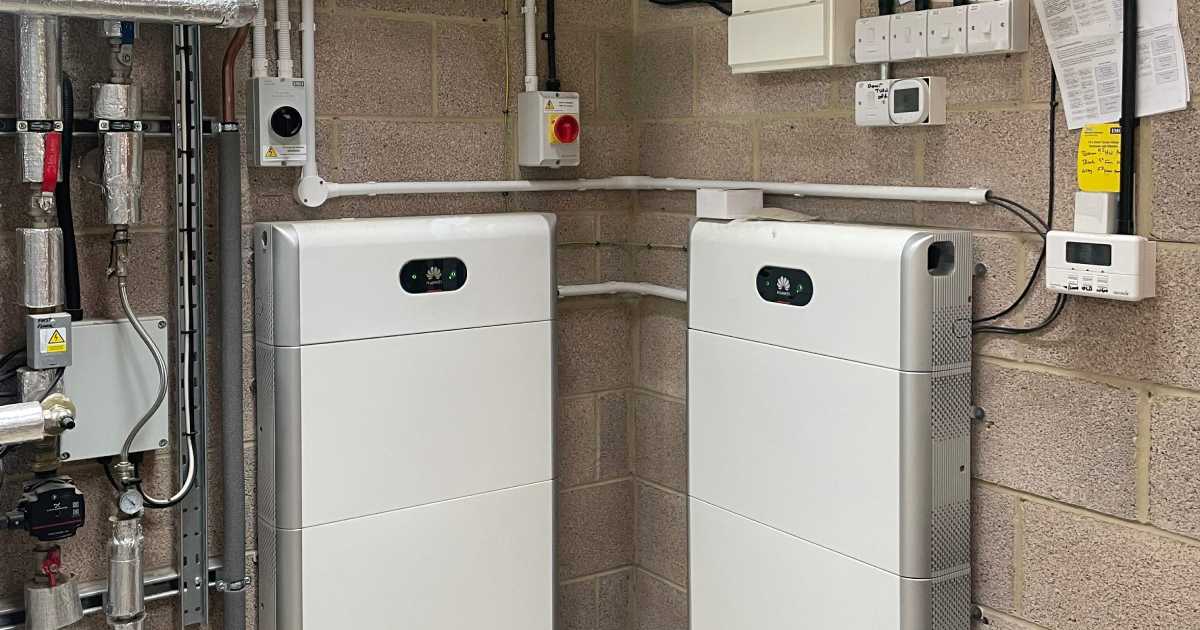
What Is Commercial Battery Storage?
A commercial battery storage system stores electricity for later use. That electricity may come from:
- On-site solar generation (Commercial Solar Storage)
- Off-peak grid imports
- Hybrid energy strategies
Stored power can then be used when electricity is more expensive, when demand spikes, or when solar output is lower.
Key Benefits of Battery Storage for Businesses
1. Lower Energy Costs
Charge at lower-cost times and use energy when tariffs are higher.
2. Peak Shaving
Reduce short periods of high demand that may increase network or capacity charges.
3. Better Solar Self-Consumption
Store excess daytime solar generation for later use.
4. Energy Resilience
Some systems can support backup or critical loads when designed for resilience.
5. Greater Control
Improve visibility and control through monitoring and energy management systems.
Typical Commercial Battery Storage Costs
Costs vary depending on:
- Battery capacity (kWh)
- Power output (kW)
- Battery chemistry
- Inverter type
- Controls software
- Installation complexity
- Electrical upgrades
- Fire safety requirements
- Monitoring and maintenance scope
The right system should be sized around your commercial objective, not just headline capacity.
What Affects ROI?
Battery ROI is highly site-specific. Key drivers include:
- Tariff structure
- Peak demand charges
- Load profile
- Existing solar generation
- Export limitations
- Operating hours
- Cycle frequency
- Capital cost
- Funding model
A battery that performs strongly on one site may be poor value on another, which is why modelling matters.
Is Battery Storage Worth It Without Solar?
Sometimes, yes. Businesses on time-of-use tariffs or with demand spikes may benefit from battery-only strategies. However, solar and battery together can often unlock greater long-term value.
Solar + Battery: Why Commercial Solar Storage Works
Solar generates low-cost electricity during the day. Battery storage helps shift that value into later periods. Together they can:
- Increase self-consumption
- Reduce imports further
- Improve resilience options
- Enhance overall project economics in the right use case
How Battery Systems Are Sized
There is no universal battery size. Systems are typically designed around:
- Your half-hourly demand profile
- Peak loads
- Tariff opportunities
- Existing or planned solar size
- Backup requirements
- Budget constraints
Oversizing can hurt returns. Undersizing can limit value.
Common Use Cases
Warehouses
Large roofs plus operational demand can create strong solar + battery opportunities.
Manufacturing
Demand peaks and long operating hours may support compelling battery economics.
Offices & Commercial Buildings
Batteries may help optimise imported electricity and support sustainability goals.
Multi-Site Businesses
Standardised energy strategies can be rolled out across portfolios.
Battery Lifespan and Maintenance
Battery life depends on chemistry, operating temperature, depth of discharge, and cycle frequency.
Ongoing monitoring and planned maintenance help protect performance.
Why Turnkey Delivery Matters
Commercial battery projects involve design, controls, electrical integration, safety considerations, commissioning and aftercare. A turnkey delivery model reduces fragmentation and improves accountability.
Next Steps
If you are exploring commercial battery storage for your business, start with your energy data and objectives.
A tailored assessment can model costs, savings, ROI, and whether solar should be included.
Request a Bespoke Proposal
Every site is different. A tailored feasibility review will provide the clearest view of costs, savings, payback and delivery route.
FAQs
Do Businesses Need Planning Permission?
Read our dedicated Planning Permission for Commercial Solar guide for common scenarios and next steps.
Requirements vary by building type, location, mounting method, and local constraints. This should be reviewed at feasibility stage.
How long do batteries last?
Battery lifespan depends on chemistry, cycle frequency, temperature, and operating strategy. Currently warranties are around 10 years but this is increasing as technology continues to develop.
Can solar power my whole business?
Some businesses offset a significant proportion of demand; others only part. It depends on load profile and available space.
Can batteries power during outages?
They can in some system designs, but not all battery systems automatically provide backup power. This depends on the inverter setup, site electrical design and whether backup or critical load functionality has been specified from the outset. If resilience is important, this should be built into the design stage.
Do I need solar first?
Not always. Some businesses benefit from battery-only projects, while others gain more from a combined solution.