
Commercial Solar & Battery Storage for UK Businesses: Complete Guide (2026)
Reduce energy costs, improve resilience, and accelerate sustainability goals
Introduction
As of 2026 UK businesses are paying some of the highest costs for electricity in Europe. The ongoing chaos in the Middle East adds upward only pressure to the energy markets.
There is a solution; commercial solar and battery storage can deliver substantially reduced costs for your electricity. A typical install can deliver sub 10p/kWh over the life of the system.
Commercial solar installations combined with battery storage are one of the most effective ways to reduce grid dependence, lowering long-term energy costs to create a more predictable energy strategy.
This guide explains how commercial solar panels and battery storage works, what it costs, expected returns, who it suits best and how to approach a successful turnkey project.
Why Businesses Are Investing in Commercial Solar?
Businesses typically invest for four core reasons:
Lower Energy Costs
Generating electricity on-site replaces imported grid electricity and mitigates against future price increases.
Faster ROI Than Many Capital Projects
Well-designed systems will generate savings for decades after payback.
Energy Security
Battery storage will help manage peaks, improve resilience and reduce exposure to market volatility.
ESG and Net Zero Progress
Solar provides visible, measurable carbon reductions that support reporting and sustainability goals.
What Is a Commercial Solar Installation?
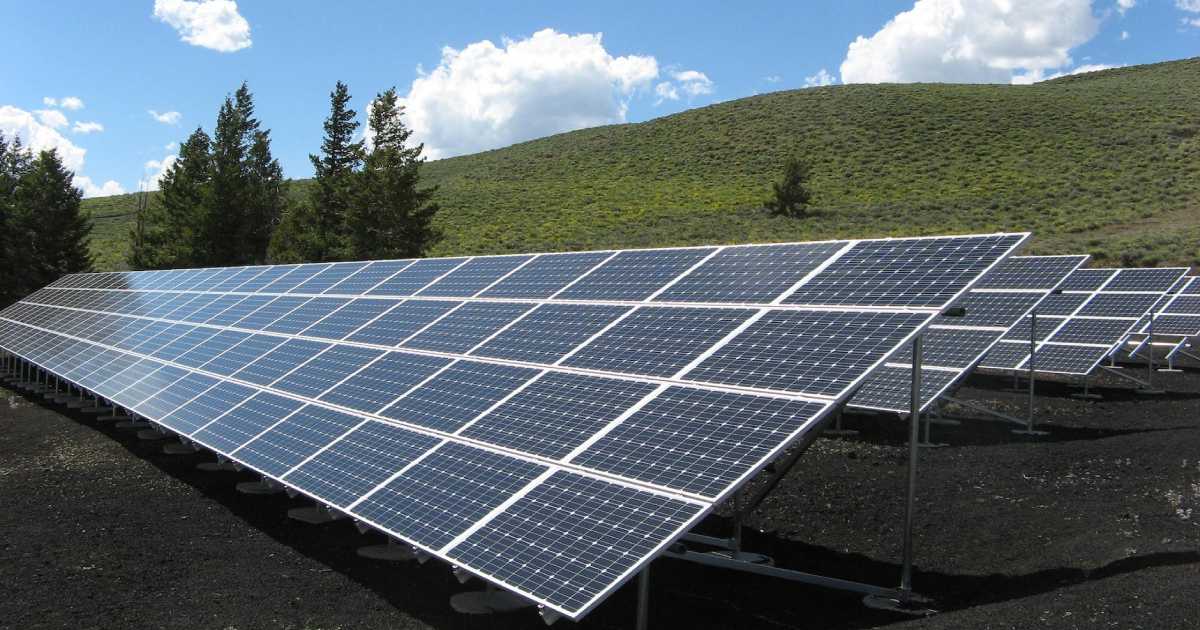
A commercial solar installation uses solar PV panels to convert daylight into electricity for business use. Systems are commonly installed on:
|
|
Why Add Battery Storage?
For a full breakdown of commercial battery economics and use cases, see our Commercial Battery Storage for Businesses guide.
Battery storage allows your excess solar generation to be stored and used later.
Key benefits include:
- Higher self-consumption
- Reduced peak demand charges
- Load shifting and arbitrage of tariff periods
- Improved ROI
Is Solar + Battery Right for Your Business?
The strongest candidates include businesses with:
|
|
What are the Typical Commercial Solar Installation Costs in the UK
For a deeper breakdown of pricing factors, system sizes and budgeting considerations, see our Commercial Solar Panel Costs UK guide.
Overall budgets depend on roof type, access, DNO, planning, battery size, electrical upgrades and project complexity.
As a broad guide, larger systems usually achieve a lower cost per kWp than smaller systems because fixed mobilisation and design costs are spread across more capacity.
What ROI Can Businesses Expect?
To understand returns in more detail, visit our Commercial Solar ROI & Payback guide and use our ROI calculator.
Returns depend on:
| Businesses assess projects using:
|
How the Installation Process Works
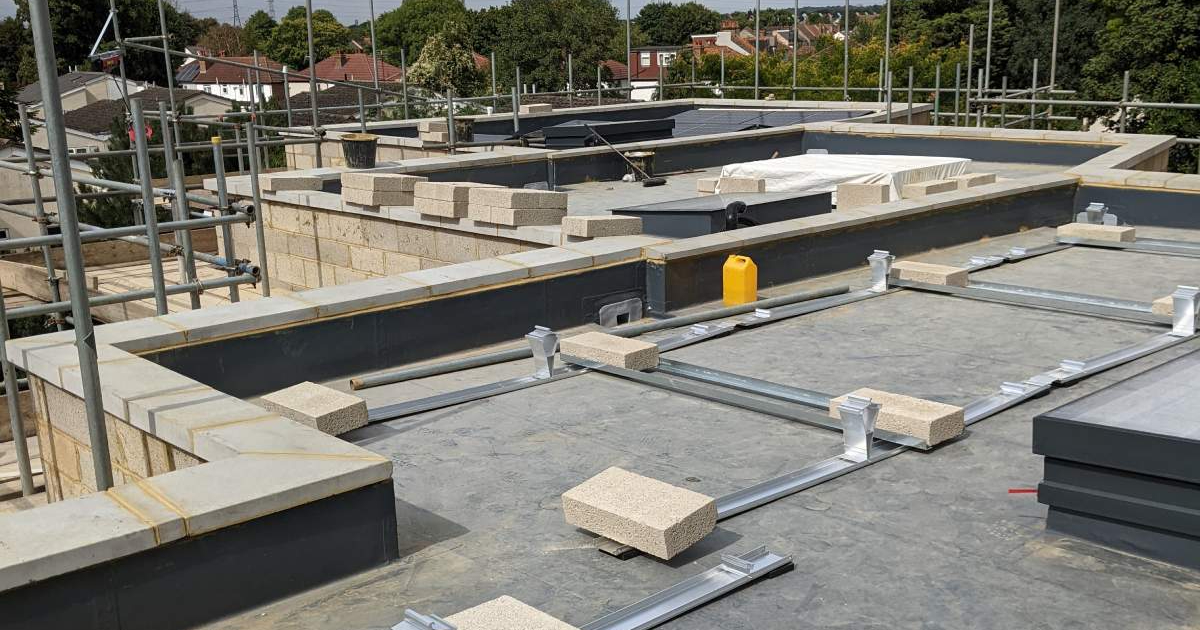
A turnkey project follows these stages:
1. Data Discovery & Review
Scope, energy bills, half-hourly data, site details and objectives are reviewed.
2. Feasibility & Design
System sizing, yield modelling, battery strategy and commercial modelling are produced, giving a budget estimate and returns.
3. Proposal & Approval
Project programme and commercial terms are agreed.
4. Grid & Permissions
Where required, grid applications and planning considerations are managed.
5. Installation
Panels, inverters, batteries, monitoring and electrical integration are installed.
6. Commissioning
Testing, handover and monitoring setup are completed.
7. Ongoing Support
Performance monitoring and maintenance help maximise returns.
Why Turnkey Delivery Matters
A turnkey renewable energy partner simplifies delivery by managing design, procurement, installation, commissioning, and support under one coordinated programme.
This reduces risk, delays, and fragmented accountability.
Next Steps
If you are exploring commercial solar installations with battery storage, start with three steps:
- Review your annual electricity spend
- Assess available roof or land space
- Clearly establish your scope
Verdant Future delivers turnkey renewable energy projects for UK organisations seeking lower costs, stronger resilience and long-term value.
Request a Bespoke Proposal
Every site is different. A tailored feasibility review will provide the clearest view of costs, savings, payback and delivery route.
FAQs
Do Businesses Need Planning Permission for Solar?
Read our dedicated Planning Permission for Commercial Solar guide for common scenarios and next steps.
Yes. Requirements vary by building type, such as listed buildings consent, location, mounting method and local constraints. This is reviewed at feasibility stage.
How Much Roof Space Is Needed for a Solar Installation?
This depends on panel specification, layout, access zones, shading, and target system size. A survey determines usable rather than total roof area.
Typically 7m² per kWp can be used as a guide.
How long do commercial solar panels last?
Panels commonly operate for decades, with warranties varying by manufacturer ranging from 25-35years.
How long do batteries last?
Battery lifespan depends on chemistry, cycle frequency, temperature, and operating strategy.
A rule of thumb guide would be 5-10years.
Can solar power my whole business?
Some businesses offset a significant proportion of demand; others only part. It depends on load profile and available space.
Can I finance a project?
Yes. Options may include capex purchase, asset finance, leases, or funded energy models depending on circumstances.
Do solar panels work in winter?
Yes. Solar panels generate electricity from daylight rather than heat, so they still produce power during winter months. Output is typically lower than in summer because of shorter days and lower light levels, but a well-designed commercial system can continue delivering useful savings throughout the year.
Can tenants install commercial solar?
Yes, in many cases tenants can install commercial solar, but landlord approval is usually required. The best route depends on the lease length, roof rights, repair obligations and who benefits from the energy savings. Many successful projects are delivered through landlord-tenant collaboration.
How long does installation take?
It depends on system size, roof type, access, grid requirements and operational constraints.
Smaller projects may be installed relatively quickly (6-12months), while larger or more complex sites can take longer (6-18months) when design approvals, permissions, or phased works are needed.
The full project timeline is established at feasibility stage.
Can batteries provide power during outages?
Yes. If resilience is important, this is built into the design stage.
What maintenance is required?
Commercial solar systems are generally low maintenance, but periodic checks protect performance and safety. This may include visual inspections, electrical testing, monitoring performance data, cleaning where appropriate and servicing associated equipment such as inverters or batteries. A planned maintenance programme is the best approach.