
Solar Panels for Warehouses Guide: Maximising Opportunity
Cutting Energy Costs & Maximise Roof Space
Introduction
Why Warehouses Are Ideal for Solar
Warehouses are often one of the strongest commercial solar opportunities in the UK. Large roof areas, consistent daytime operations, and significant electricity demand can create a highly compelling business case.
For many warehouse operators, unused roof space can become a long-term energy asset.
This guide explains why solar panels for warehouses work so well, what affects cost and ROI, and how to approach a successful project.
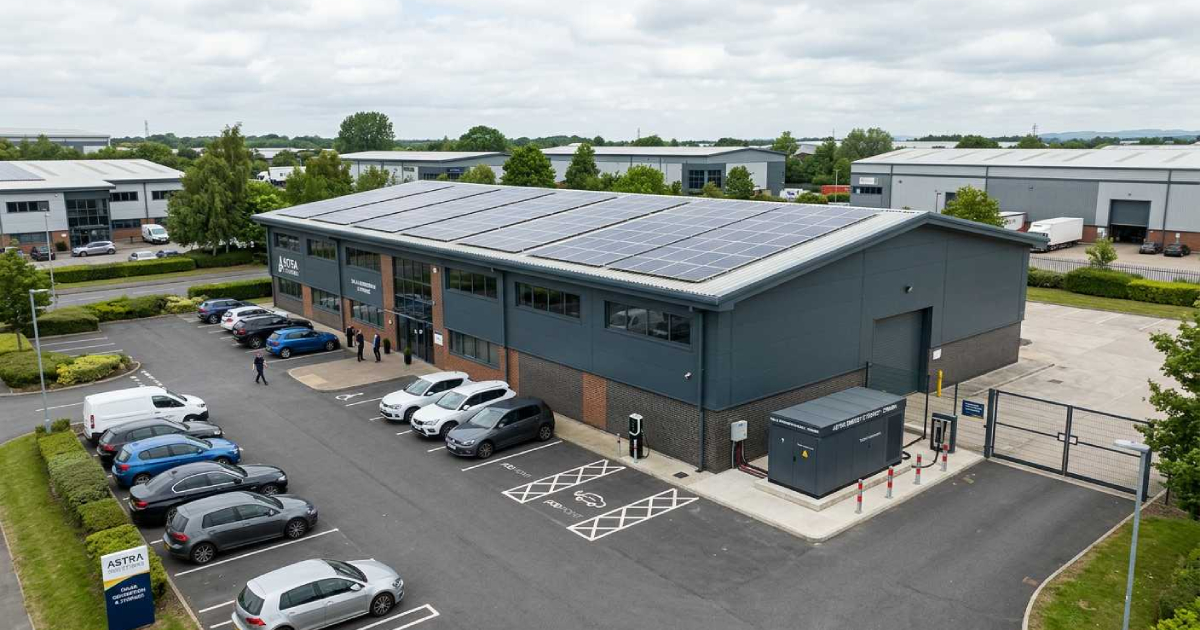
Why Solar Makes Sense for Warehouses
Large Roof Space
Warehouses often provide expansive roof areas capable of supporting substantial system sizes.
Daytime Energy Demand
Lighting, HVAC, refrigeration, machinery, charging equipment, and operational loads often align with solar generation hours.
Rising Operating Costs
Solar can help reduce exposure to volatile electricity prices.
ESG & Customer Expectations
Sustainability commitments are increasingly important across logistics and supply chains.
Typical Warehouse Solar Benefits
|
|
What Affects Project Cost?
Warehouse solar costs depend on:
|
|
The most accurate route is a site-specific feasibility study.
What Affects ROI?
Returns are shaped by:
- Current electricity tariff
- Daytime consumption profile
- System size
- Self-consumption rate
- Export arrangements
- Capital cost
- Funding model
- Battery storage value
Warehouses with strong daytime loads often achieve attractive savings because generated electricity is used immediately.
Should Warehouses Add Battery Storage?
Battery storage can be especially valuable where warehouses have:
- Evening operations and demand spikes
- EV charging loads
- Time-of-use tariffs
- Resilience requirements
A combined solar + battery model often provides the clearest picture.
Common Warehouse Solar Challenges
Roof Condition
Older roofs may need survey work or remedial planning.
Operational Continuity
Installations must often be planned around live logistics activity.
Access & Safety
Working at height, loading areas, and vehicle movements require robust planning.
Grid Constraints
Some sites need export management or connection review.
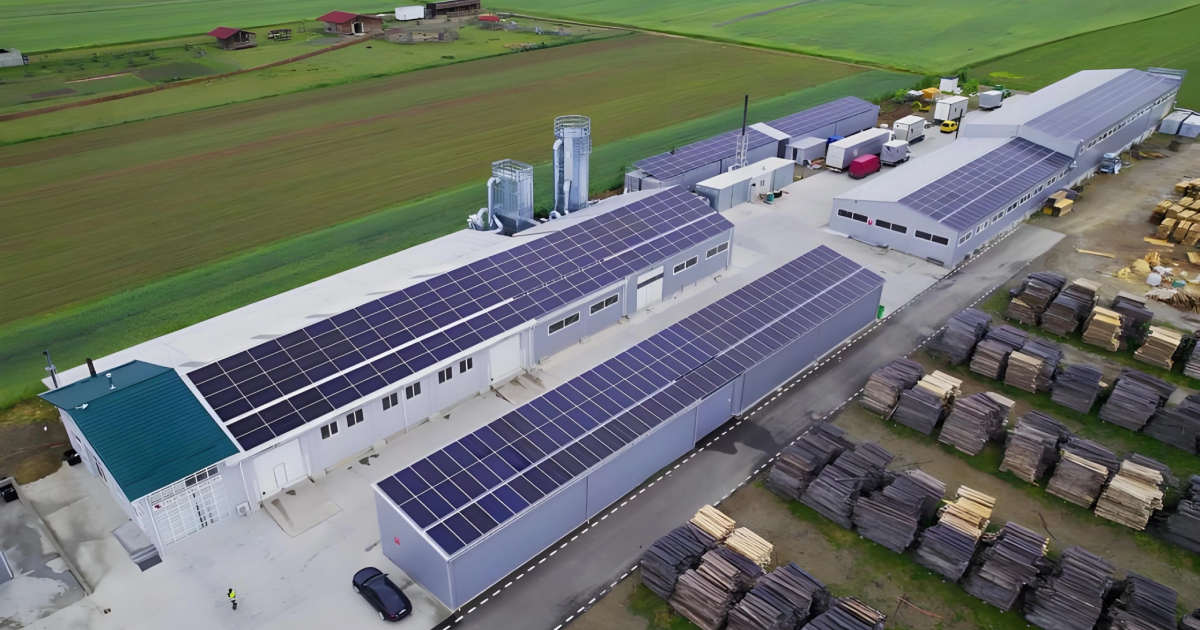
Multi-Site Warehouse Portfolios
For businesses with multiple warehouses, solar can be rolled out in phases using a portfolio strategy that prioritises strongest ROI sites first.
Typical Project Process
- Energy data review
- Roof and site assessment
- Feasibility design
- Commercial proposal
- Grid / permissions
- Installation
- Commissioning and monitoring
Why Turnkey Delivery Matters
Warehouse projects often involve live operations, multiple stakeholders and tight delivery windows. A turnkey partner helps coordinate design, installation, safety, and programme management in one process.
Next Steps
If you operate a warehouse and want to reduce energy costs, start with a feasibility study based on your roof space and electricity usage.
Request a Bespoke Proposal
Every site is different. A tailored feasibility review will provide the clearest view of costs, savings, payback and delivery route.
FAQs
Are warehouse roofs suitable for solar?
Many are, but suitability depends on structure, condition, layout and shading.
Can solar disrupt warehouse operations?
With proper planning, disruption can be minimised.
How much can a warehouse save?
Savings vary by tariff, demand profile, and system size. A tailored assessment provides the clearest answer.
Is battery storage worth it for warehouses?
Often yes where demand peaks, evening loads, or tariff opportunities exist.