
Planning Permission for Commercial Solar: UK Guide (2026)
Understand when planning permission may be required and how to keep your commercial solar project moving.
Introduction
Why Planning Permission Matters
Planning permission is one of the first questions businesses ask when considering commercial solar. The answer is not always a simple yes or no. Requirements depend on the type of building, mounting method, location, scale of the project, and local planning constraints.
Understanding planning early helps avoid delays, manage expectations, and keep projects moving efficiently.
This guide explains when planning permission may be required for commercial solar in the UK and how businesses should approach the process.
Do You Always Need Planning Permission for Commercial Solar?
Not always. Some commercial solar installations may fall under permitted development rights, while others require a formal planning application.
The correct route depends on the specific site and proposal.
Factors That Influence Planning Requirements
1. Building Type
Warehouses, offices, farms, listed buildings, schools, and mixed-use premises may each be treated differently.
2. Roof-Mounted vs Ground-Mounted
Ground-mounted arrays often receive greater planning scrutiny than standard roof-mounted systems.
3. Size and Visibility
Highly visible installations or larger developments may require more detailed assessment.
4. Conservation Areas and Sensitive Locations
Sites in conservation areas, protected landscapes, or near heritage assets can involve additional considerations.
5. Structural or Roof Alterations
If wider building works are required, this may affect permissions needed.
Typical Planning Process
1. Initial Site Review
Assess constraints, location, building type, and likely planning route.
2. Concept Design
Prepare layout drawings and technical scope.
3. Pre-Application Advice (where useful)
Engage the local authority for early feedback.
4. Formal Submission
Submit drawings and supporting documents if required.
5. Determination
The authority reviews and issues a decision.
6. Delivery
Once approvals are in place, installation can proceed.
Roof-Mounted Commercial Solar
Many commercial projects involve roof-mounted systems because they use existing building space efficiently. However, design details such as panel projection, visual impact, and roof form can still be relevant.
Ground-Mounted Commercial Solar
Ground-mounted systems can be an excellent solution where roof space is limited or land is available. Planning considerations may include land use, screening, ecology, access, and visual impact.
Listed Buildings and Heritage Sites
Additional consents may be needed where buildings are listed or where proposals affect heritage settings. Early professional advice is strongly recommended.
What About Grid Approval?
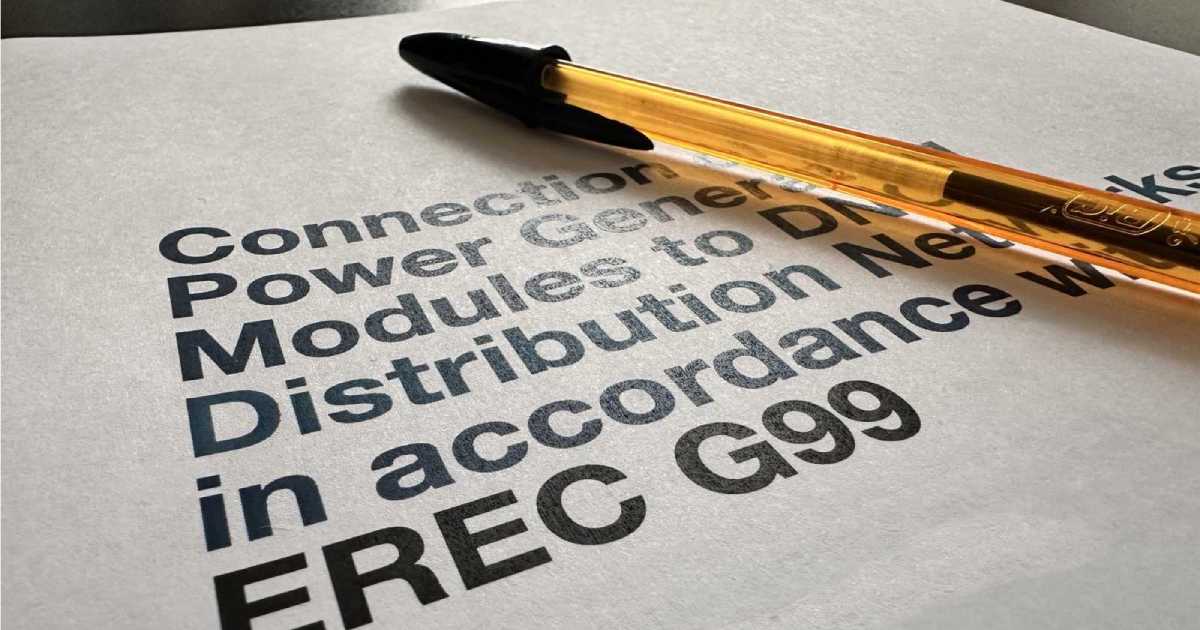
Planning permission and grid approval are separate processes. Even where planning is straightforward, an export or connection application may still be required.
How Long Does Planning Take?
Timescales vary by authority, project complexity, and whether additional surveys or revisions are required. This is why early planning review is valuable.
Typically planing can take between 2-9 months
Why Use a Turnkey Provider?
A turnkey renewable energy partner can coordinate feasibility, design, planning inputs, grid applications, installation and delivery in one process. This reduces delays and fragmented responsibility.
Next Steps
If you are considering a commercial solar project, the smartest route is an early feasibility review that includes planning and grid considerations from the outset.
Request a Bespoke Proposal
Every site is different. A tailored feasibility review will provide the clearest view of costs, savings, payback and delivery route.
FAQs
Do warehouses need planning permission for roof solar?
Sometimes no, sometimes yes. It depends on the site and proposal details.
Read our Solar for Warehouse Guide for more information
Are ground-mounted systems harder to approve?
They can involve more planning considerations than standard roof systems.
Can I install solar on a listed building?
Generally yes, but specialist advice and additional consents may be required.
Is planning permission the same as grid approval?
No. They are separate processes and both may need consideration.