
Commercial Solar Panel Costs UK | Full Pricing Guide (2026)
Understand pricing, payback, and the key factors that shape the true cost of a commercial solar installation.
Introduction
Why Cost Matters
For most organisations exploring renewable energy, cost is the first question and rightly so. Decision-makers need to understand capital outlay, likely savings, payback period and how system size affects returns.
The good news is that commercial solar has become one of the most compelling long-term energy investments available to UK businesses.
This guide explains what commercial solar panels cost in the UK, what affects pricing, how to budget accurately, and how to assess value beyond headline install price.

Typical Commercial Solar Costs in the UK
Every project is unique, but commercial solar pricing is usually driven by system size and complexity.
As a broad rule, larger systems often achieve a lower cost per kWp than smaller systems because design, mobilisation and project management costs are spread across more installed capacity.
A commercial installation will typically return sub 10p/kWh for the lifetime, usually 25-30years.
Indicative factors include:
- Roof mounted vs ground mounted
- Roof condition and access requirements
- Structural upgrades
- Electrical infrastructure upgrades
- Grid connection requirements
- Battery storage integration
- Monitoring and controls
- Out-of-hours installation constraints
What Is Costed Per kWp?
Commercial solar projects are commonly discussed in terms of cost per kWp (kilowatt peak), which is the installed generating capacity of the system. As an indicator £1100 per kWp is a typical guide.
This helps compare projects of different sizes more effectively than using total project cost alone.
Example Budget Ranges
Smaller projects may have a higher £/kWp cost than large multi-hundred-kWp systems. Complex roofs or restricted access sites can also increase costs.
The most reliable figure always comes from a site-specific proposal using your building, energy profile and operational constraints.
What Drives Commercial Solar Costs?
1. System Size
Larger systems usually reduce unit cost but must still align with your electricity demand and available space.
2. Roof Type
Flat roofs, pitched roofs, standing seam, asbestos replacement scenarios, and ground-mounted systems all have different mounting and labour requirements.
3. Access & Safety
Working at height, restricted access, crane lifts, traffic management, and live operational environments can affect programme and cost.
4. Electrical Works
Some sites need distribution board upgrades, cabling improvements, transformer considerations, or metering changes.
5. Grid Connection
Export limitations or connection studies can influence final design and economics.
6. Battery Storage
Adding batteries increases capital cost but may improve ROI where tariff structures or peak demand charges justify it.
How Much Can You Save?
Savings depend on how much generated electricity you use on-site, your tariff rate, and system performance.
Businesses with strong daytime demand often capture the greatest immediate value because solar generation aligns with operating hours.
Cost vs Value: Avoid the Cheapest Quote Trap
The lowest upfront quote is not always the best commercial outcome. Lower-cost proposals may differ in:
- Panel quality
- Inverter specification
- Monitoring capability
- Design accuracy
- Installation methodology
- Warranties
- Aftercare support
- Realistic yield assumptions
A better-designed system can outperform a cheaper one for years.
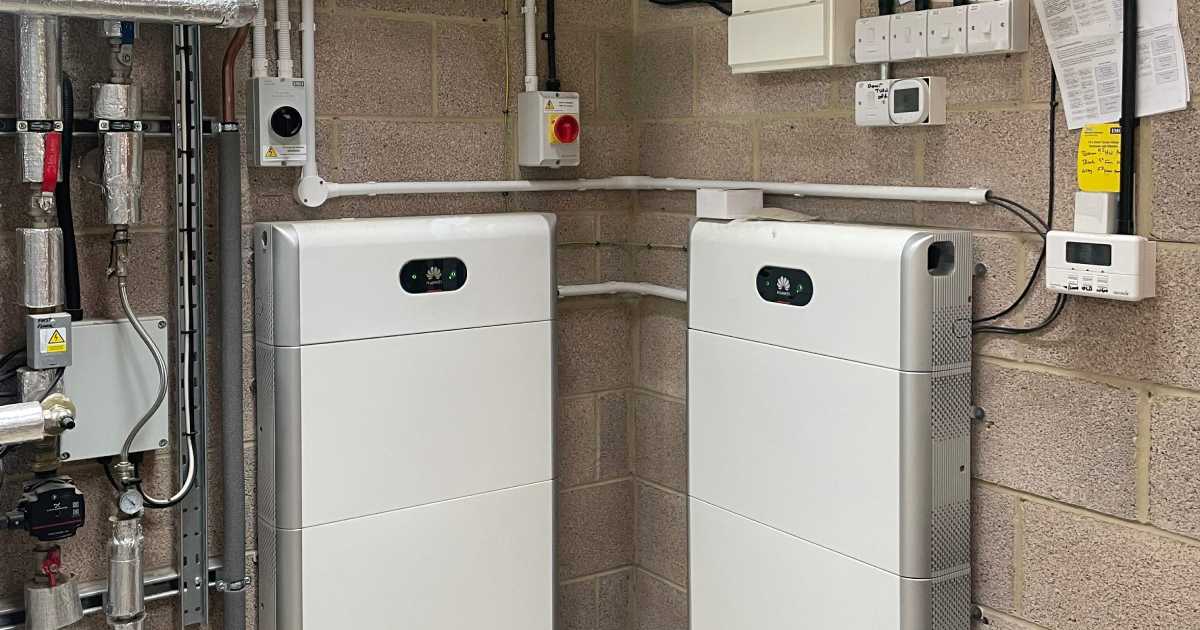
Should You Add Battery Storage?
Battery storage is not essential for every project, but it can be valuable where you have:
- Evening consumption after solar generation drops n- Demand spikes
- Time-of-use tariffs
- Export constraints
- Resilience requirements
A feasibility study should model both solar-only and solar-plus-battery scenarios.
Learn more with our commercial battery storage guide
Finance Options
Many businesses choose from:
- Capital purchase
- Asset finance
- Leasing structures
- Funded energy models
The right route depends on cash flow, tax treatment, hurdle rates, and ownership preferences.
How to Budget Properly
For a realistic budget, gather:
- Annual electricity spend
- Recent energy bills
- Half-hourly data (if available)
- Site address
- Roof plans or photos
- Operating hours
- Future expansion plans
This allows a much more accurate feasibility assessment than headline online estimates alone.
What Payback Period Can You Expect?
Payback varies by tariff, self-consumption, install cost, and funding model. Strong-use-case projects can outperform expectations, especially where grid electricity costs are high.
The best measure is a tailored ROI model rather than a generic average.
Common Mistakes when Comparing Quotes
Choosing on price only
Comparing different system sizes
Ignoring assumptions
No maintenance plan
No battery scenario modelling
No operational disruption planning
Why Turnkey Delivery Reduces Risk
A turnkey provider manages design, procurement, installation, commissioning and support in one coordinated process. This can reduce delays, communication gaps, and hidden cost risks.
Next Steps
If you are evaluating commercial solar panel costs in the UK, the smartest next move is a feasibility study based on your real energy data.
Request a Bespoke Proposal
Every site is different. A tailored feasibility review will provide the clearest view of costs, savings, payback and delivery route.
FAQs
How much do commercial solar panels cost in the UK?
Costs vary by size and complexity. The most accurate answer comes from a site-specific proposal.
Is there a minimum project size?
Not always. Suitability depends more on usage profile, roof space and economics than a fixed minimum size.
Are larger systems better value?
Often yes on a £/kWp basis, but only if the energy can be used or exported economically.
Can I install solar in phases?
Yes. Some businesses phase projects across budgets or multiple sites.
Can I finance a project?
Yes. Options may include capex purchase, asset finance, leases, or funded energy models depending on circumstances.